

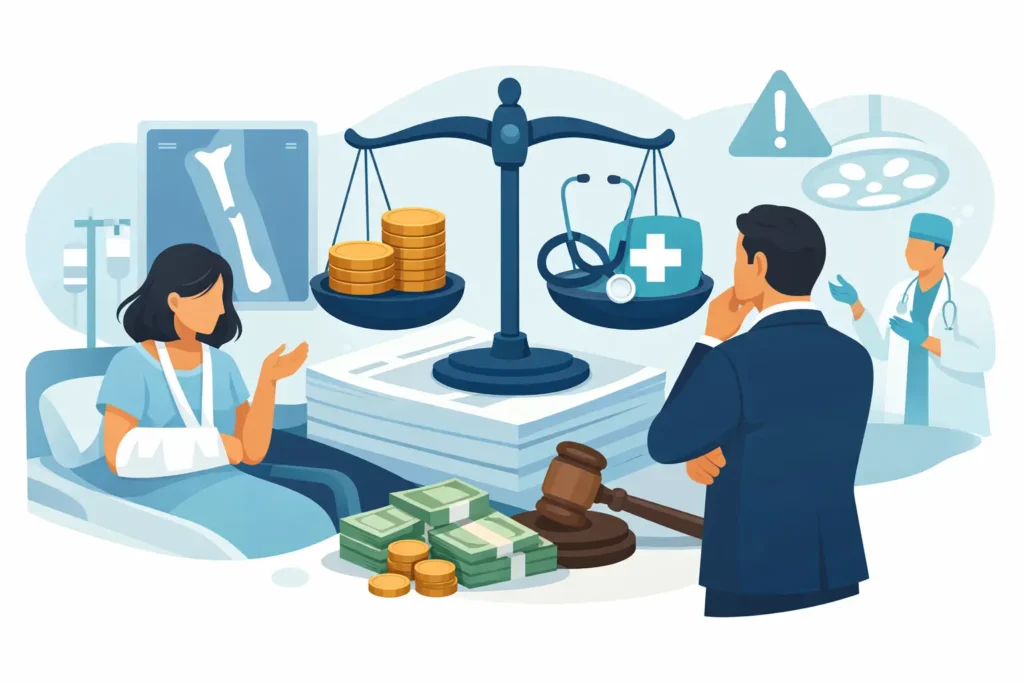
A delayed cancer diagnosis, the wrong medication, a surgical error, or poor maternity care can leave you dealing with far more than physical harm. If you are asking can you get compensation for medical negligence, the short answer is yes – but only where there is clear evidence that your treatment fell below an acceptable standard and caused avoidable injury.
That distinction matters. Not every poor outcome is negligence, and not every mistake leads to a valid claim. The legal question is whether a healthcare professional, hospital, GP, dentist, or other medical provider acted in a way no responsible body of similar professionals would have acted, and whether that failure directly caused you loss or injury.
Can you get compensation for medical negligence in the UK?
In the UK, you may be able to claim compensation for medical negligence if two core elements can be proved. First, there must have been a breach of duty. Second, that breach must have caused harm that would otherwise have been avoided.
This is often where people feel uncertain. Many clients know that something went wrong, but they are not sure whether the law sees it as negligence. For example, a serious complication after surgery is not automatically evidence of negligent care. By contrast, if warning signs were missed, test results were ignored, or treatment was unreasonably delayed, there may be strong grounds for a claim.
The purpose of compensation is not simply to place a financial value on suffering. It is also to recognise the practical impact of negligent treatment, including lost earnings, care needs, rehabilitation costs, travel expenses, and future support where the consequences are long term.
What counts as medical negligence?
Medical negligence happens when a medical professional provides substandard care and that failure causes injury, illness, deterioration, or avoidable pain. Claims can arise in NHS treatment and private treatment alike.
Common examples include misdiagnosis, delayed diagnosis, surgical mistakes, medication errors, negligent dental treatment, failures in maternity care, and poor follow-up after treatment. Consent issues can also lead to claims, especially where a patient was not properly advised of material risks before a procedure.
That said, these cases are rarely decided on labels alone. A delayed diagnosis claim may succeed in one case and fail in another depending on what symptoms were presented, what tests should reasonably have been arranged, and whether earlier intervention would have changed the outcome.
What do you need to prove?
To succeed in a claim, you generally need to prove more than dissatisfaction with treatment. You must show that the care fell below a reasonable standard and that this caused avoidable harm.
In practice, this usually involves reviewing your medical records, treatment history, symptoms, complaints, and timeline. Independent medical experts are often needed to comment on whether the care was negligent and whether the injury was caused by that negligence.
Causation is one of the most difficult parts of many claims. If a patient was already seriously unwell, the issue may be whether negligent treatment made the outcome materially worse. For instance, a delayed diagnosis of an aggressive condition may not always change the prognosis. In other cases, even a short delay can significantly reduce treatment options and worsen the patient’s condition.
How much compensation can you get for medical negligence?
Compensation depends on the seriousness of the injury and the effect it has had on your life. There is no fixed payout that applies to every case, because the losses are specific to the individual.
A settlement or court award is usually divided into general damages and special damages. General damages cover pain, suffering, and loss of amenity. Special damages cover financial losses, such as loss of earnings, treatment costs, care provided by family members, home adaptations, travel, and future expenses.
A relatively modest injury that resolves within months will be valued very differently from a catastrophic birth injury, permanent disability, or negligent delay in diagnosis leading to life-changing consequences. The evidence must support not just the negligence itself but the actual losses flowing from it.
Can you get compensation for medical negligence if the mistake happened years ago?
Possibly, but time limits are important. In many medical negligence claims, court proceedings should be started within three years of the date of the negligence or the date you first became aware that negligent treatment may have caused your injury.
There are exceptions. Different rules can apply for children, protected parties, and some fatal claims. In cases involving delayed diagnosis or slowly emerging injuries, the date of knowledge can be especially important. Someone may only realise much later that their worsening condition was linked to an earlier failure in treatment.
This is one reason early legal advice matters. Waiting too long can affect access to evidence, expert opinion, and records, even where the claim is still technically within time.
What if the treatment was provided by the NHS?
You can still bring a medical negligence claim where the treatment was provided by the NHS. Many valid claims arise from NHS hospitals, GP practices, maternity units, A&E departments, and community services.
People are sometimes reluctant to pursue a claim because they do not want to blame overstretched staff. That concern is understandable, but a negligence claim is about accountability and support for the person harmed. If poor treatment has left you unable to work, needing care, or facing ongoing medical problems, compensation can be a vital part of rebuilding stability.
It can also bring answers. For many patients and families, understanding what went wrong matters just as much as the financial outcome.
What evidence helps a medical negligence claim?
Strong evidence gives a claim real footing. Medical records are central, but they are only part of the picture. A full account of symptoms, appointments, discussions with clinicians, and the impact on daily life can all be important.
Useful evidence may include hospital and GP records, test results, scans, prescriptions, correspondence, complaint responses, photographs, employment records, and receipts for out-of-pocket costs. If family members have provided care or witnessed changes in your condition, their evidence may also help.
Expert medical evidence is often decisive. These cases are technical, and the court usually needs independent professional opinion on breach of duty and causation. That is why claims should be prepared carefully from the outset rather than based on assumption or emotion alone.
What if you are not sure whether you have a claim?
That is common. Many people come forward with a sense that their treatment was mishandled but without clear proof. Others have been told a poor outcome was just one of those things, yet they remain unconvinced.
A proper legal assessment can clarify whether there are realistic prospects of success. Some cases look strong at first but fall away on causation. Others appear uncertain until the records reveal missed opportunities, poor monitoring, or failures to act on obvious warning signs.
The key is not to self-reject too early. If you have suffered avoidable harm after medical treatment, it is sensible to have the circumstances reviewed by solicitors experienced in this area. Firms such as Cooper Hall Solicitors understand how to investigate complex claims thoroughly and explain your position in clear terms.
What happens if a claim succeeds?
If a claim succeeds, compensation may be agreed through settlement or awarded by the court. In some cases, interim payments can be sought where liability is admitted and urgent financial support is needed for rehabilitation, care, or essential living costs.
A successful outcome can also include formal admissions, better access to therapies, and financial security for future needs. Where negligence has caused permanent injury, the claim must look ahead as well as back. That includes future loss of earnings, future care, specialist equipment, and accommodation needs where relevant.
No amount of money can undo serious medical harm. But the right claim can provide support, recognition, and a practical route forward when negligent treatment has changed your life.
If you are wondering can you get compensation for medical negligence, the real question is whether avoidable harm was caused by substandard care. If it was, you may have the right to pursue a claim – and getting clear advice early can make all the difference.