

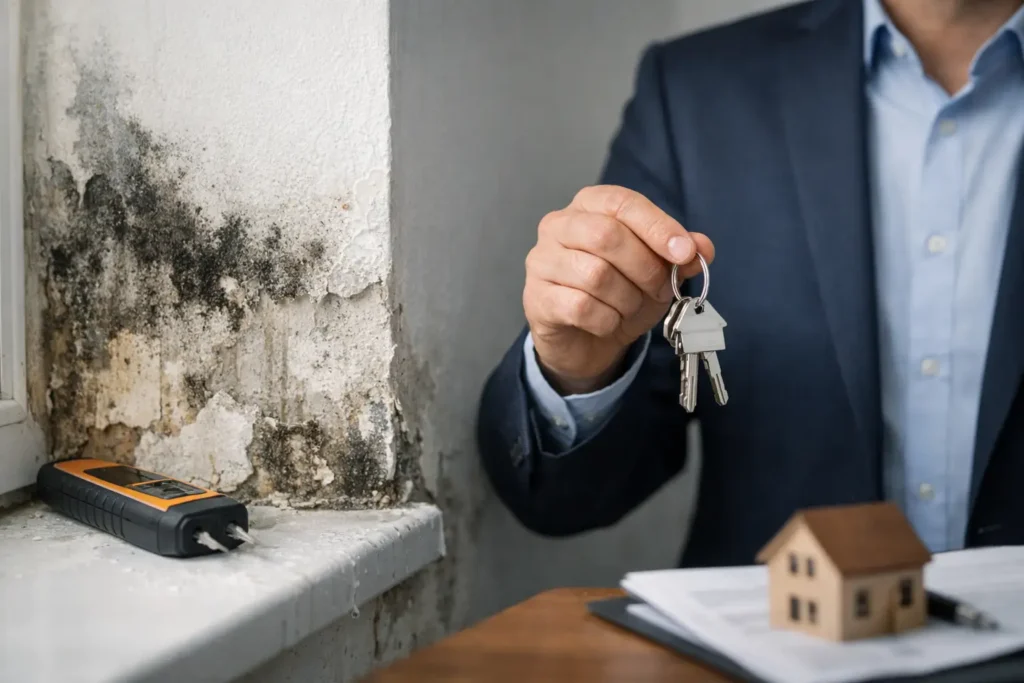
A patch of mould behind the bed is easy to dismiss at first. Then the wallpaper starts lifting, clothes feel damp in the wardrobe, and someone in the house develops a cough that will not shift. When tenants ask, can landlord ignore damp problems, the short answer is no. In many cases, damp and mould are signs that a property is not being kept in a safe and habitable condition, and landlords can have clear legal responsibilities to investigate and put things right.
That said, not every damp issue is legally straightforward. Responsibility can depend on the cause, the tenancy, whether the landlord was told about the problem, and how serious the disrepair has become. If you are living with persistent damp, it helps to understand where the law stands and when the issue may justify formal legal action.
Can landlord ignore damp problems in a rented home?
A landlord cannot simply ignore damp because it is inconvenient or expensive to fix. In England and Wales, landlords are generally responsible for keeping the structure and exterior of the property in repair, along with installations for water, heating, sanitation, and ventilation where applicable. If damp is linked to leaking pipes, defective roofing, broken guttering, damaged brickwork, failed damp-proofing, or inadequate ventilation provided as part of the property, the landlord may be responsible.
The law does not usually expect a landlord to act on problems they do not know about. Once they have been notified, however, they should investigate within a reasonable time and carry out necessary repairs. If the issue is obvious from inspections, reports, or previous complaints, a landlord may struggle to argue they were unaware.
Ignoring damp becomes especially serious where it affects health. Mould spores can aggravate asthma, cause breathing problems, and make living conditions unsafe for children, older people, and anyone with existing medical conditions. A landlord who leaves a tenant in those conditions risks more than a simple complaint.
What causes damp and why the cause matters
Damp is not one single legal issue. It is a symptom, and the legal position often turns on what is causing it.
Penetrating damp may come from defects such as cracked walls, faulty pointing, roof leaks, damaged external render, or broken gutters. Rising damp may be linked to problems with damp-proof courses or ground moisture affecting lower walls. Condensation is more disputed. Some landlords try to blame tenants for everyday activities such as cooking, drying clothes indoors, or bathing. Sometimes tenant lifestyle is part of the picture, but that does not automatically remove the landlord’s responsibility.
If a property has poor insulation, no working extractor fans, defective windows, inadequate heating, or ventilation that was never fit for purpose, condensation and mould may still amount to housing disrepair. A landlord cannot avoid responsibility simply by saying the tenant should open a window if the property itself has underlying defects.
This is where many disputes become technical. The same black mould can be caused by very different failures. That is why evidence matters.
A landlord’s legal duties on damp and mould
In most rented properties, landlords have repairing obligations under tenancy law. They are commonly required to keep the structure and exterior in repair and ensure certain installations work properly. Separate duties can also arise under the Homes legislation, which requires rented homes to be fit for human habitation.
If damp and mould are so serious that the property is unsafe or unhealthy, the issue may go beyond ordinary repairs. A home may be considered unfit if there is a hazard serious enough to affect the occupier’s health or safety. Local authorities also have enforcement powers where damp and mould present health hazards.
The practical point is this: a landlord does not have free rein to delay, deny, or minimise a genuine damp problem. Once on notice, they should inspect, identify the cause, and carry out effective remedial works. Cosmetic treatment alone is rarely enough if the underlying defect remains.
What tenants should do if damp is being ignored
The strongest cases are usually built on clear records rather than repeated verbal complaints. If you report damp by phone and nothing happens, follow up in writing. Set out where the damp is, when it started, what damage it has caused, and whether anyone in the property has been affected physically.
Take dated photographs and keep updating them over time. Keep copies of messages, emails, letters, inspection notes, and repair appointments that were missed. If belongings have been damaged, keep a record of what was affected and any replacement costs. If the damp has affected your health, ask your GP or another medical professional to note this in your records.
If the landlord sends someone round to wipe walls or repaint over mould without addressing leaks, ventilation, or structural defects, record that too. Temporary cover-ups can become important evidence later.
Where complaints are being ignored, tenants may also contact the local authority’s environmental health team. In some cases, the council can inspect the property and take enforcement action where serious hazards are identified.
Can landlord ignore damp problems if they blame the tenant?
This is one of the most common arguments in damp disputes. A landlord may say the mould is caused by the tenant not heating the home enough, not opening windows, or drying laundry indoors. Sometimes there is a factual issue here. But blame is not decided by assertion alone.
A court or surveyor will often look at the design and condition of the property as a whole. If there is no effective ventilation in the bathroom, no extractor in the kitchen, defective windows, or heating that does not work properly, then the landlord may still be liable. Tenants are expected to live in a property in a tenant-like manner, but they are not expected to cure building defects or make an inherently damp home safe.
There can be shared responsibility in some cases. For example, where a property has minor condensation risks but the tenant’s use of the property has significantly worsened the problem, the legal outcome may be less clear-cut. Even then, landlords must not use that argument as a blanket excuse to do nothing.
What compensation might be available?
If a landlord has failed to deal with damp and mould after being notified, tenants may be entitled to bring a housing disrepair claim. Depending on the facts, a claim can seek repairs to the property as well as compensation.
Compensation may reflect several forms of loss. One is inconvenience and distress from living in unsafe or unpleasant conditions. Another is damage to belongings such as clothes, furniture, bedding, or electrical items. If the damp has contributed to illness or worsened an existing condition, that may also form part of a claim, although medical evidence becomes particularly important in those cases.
The value of a claim depends on severity, duration, the impact on daily life, and the strength of the evidence. A small isolated patch dealt with promptly is very different from months of widespread mould affecting a child’s bedroom and the family’s health.
When to speak to a solicitor
Not every damp complaint needs immediate legal action. Some landlords respond quickly once the issue is clearly reported, and that may resolve matters. But where there are repeated complaints, failed inspections, delayed repairs, worsening mould, health effects, or obvious attempts to shift blame without proper investigation, legal advice can make a real difference.
A solicitor can help assess whether the damp amounts to actionable disrepair, what evidence is needed, whether an expert report may be required, and what remedies are realistically available. For tenants already under pressure, that support can also stop the issue from becoming a cycle of unanswered complaints and ineffective temporary fixes.
At Cooper Hall Solicitors, we understand that housing disrepair claims are about more than stained walls. They are about health, dignity, and the right to live in a safe home.
If you are living with damp now
If your landlord has been told and still has not acted, do not assume you have to put up with it. Damp can escalate quickly, and the longer it goes on, the more damage it can cause to both the property and the people living in it. Report it clearly, keep records, and take advice if the problem is being ignored.
No tenant should be left choosing between keeping quiet and living in unhealthy conditions. If the home you rent is making daily life harder, the law may offer a route to put that right.