

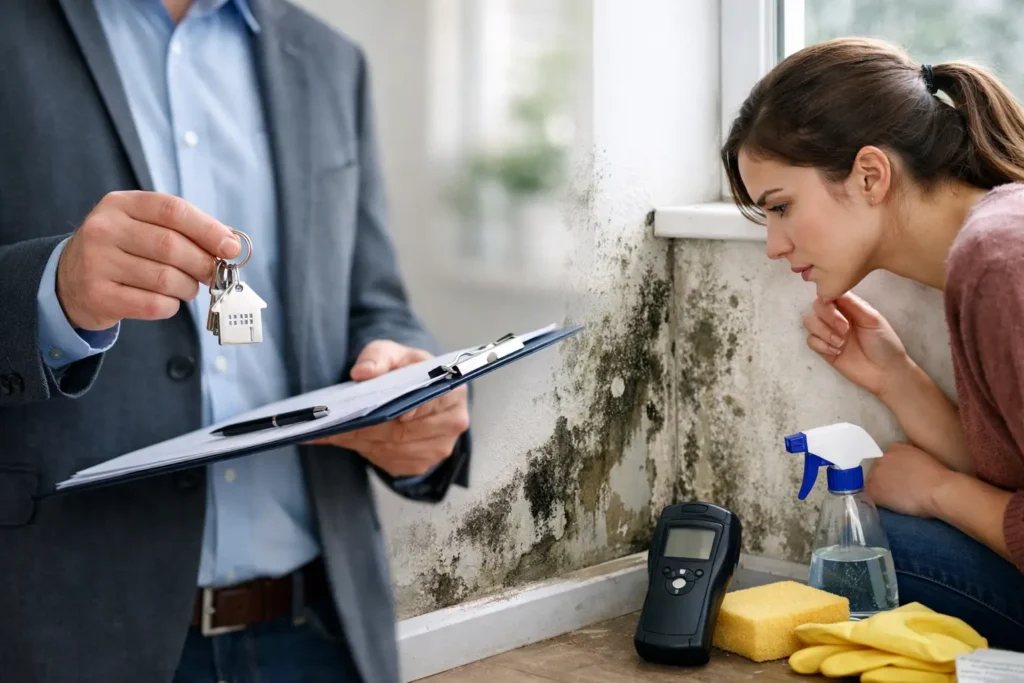
You should not have to wipe black mould from a child’s bedroom wall, keep windows open in winter, or live with the smell of damp because a landlord keeps delaying repairs. When people search for tenant rights mould and damp, they are usually not looking for theory. They want to know one thing – what can I do now, and what is my landlord legally required to do?
In England and Wales, tenants have clear legal protections when a rented property is affected by damp, mould, leaks, poor ventilation, or structural disrepair. The law does not expect you to tolerate unsafe or unhealthy conditions simply because you rent your home. If your landlord has been told about the problem and fails to act within a reasonable time, you may have grounds to take the matter further and, in some cases, claim compensation.
Tenant rights mould and damp – what the law says
A landlord is generally responsible for keeping the structure and exterior of the property in repair. That includes walls, ceilings, roofs, guttering, windows, pipes, drains, and installations for heating, hot water, sanitation and ventilation where applicable. If damp or mould is being caused by disrepair such as a leaking roof, rising damp, defective brickwork, broken extractor fans, or faulty plumbing, the landlord may be legally responsible for putting it right.
There is also a wider duty to ensure the property is fit for human habitation. A home affected by serious mould, persistent condensation linked to poor ventilation, or significant damp penetration may fall below that standard. This is especially serious where tenants have asthma, other respiratory conditions, or young children in the household.
That said, liability is not automatic in every case. Damp and mould disputes often turn on the cause of the problem. If the landlord argues that the issue comes from lifestyle, for example drying clothes indoors or not opening windows, the position can become more contested. But that does not let landlords avoid responsibility where the property itself has defects, inadequate insulation, poor ventilation, or existing structural problems that make condensation far worse.
When mould and damp become a legal housing disrepair issue
Not every patch of condensation is a legal claim. The issue becomes stronger when there is an underlying defect, a repeated failure to repair, or a clear impact on health and daily life.
Common examples include leaks from upstairs flats, penetrating damp from cracked external walls, damp caused by defective damp proof courses, broken boilers making it impossible to heat the home properly, and extractor fans that do not work in kitchens or bathrooms. If your landlord knows about these defects and leaves them unresolved, that is where legal rights become far more significant.
The effect on your living conditions matters too. If you have had to move furniture away from walls, throw away clothing or bedding, redecorate repeatedly, or keep children out of a bedroom because of mould growth, this points to a serious issue rather than a minor inconvenience.
What tenants should do first
The strongest cases are usually the ones backed by clear evidence. If there is mould or damp in your home, report it to your landlord or housing provider in writing as soon as possible. Be specific. Explain where the issue is, when it started, whether it is spreading, and how it is affecting your health or your use of the property.
Photographs are important, especially if you take them over time to show progression. If you can, keep copies of emails, text messages, inspection notes, and any responses from the landlord or letting agent. If items have been damaged, make a list and keep receipts where available. If a doctor has confirmed that the conditions are affecting your breathing, skin, or general health, medical records can also become relevant.
Tenants sometimes worry that complaining too firmly will put their tenancy at risk. That concern is understandable. But remaining silent usually helps the landlord, not the tenant. In most housing disrepair matters, notice is central. A landlord cannot fix a problem they claim not to know about, so creating a written record is one of the most important steps you can take.
Can a landlord blame the tenant?
This is one of the most common points of dispute in tenant rights mould and damp cases. Landlords and agents often say the mould is caused by condensation from normal daily living. Sometimes there may be some truth in that. Cooking, showering and drying clothes all create moisture. But the legal question is broader than that.
If a property has poor insulation, no effective extractor fan, defective windows, inadequate heating, or other conditions that make moisture impossible to manage reasonably, the landlord may still be responsible. Tenants are expected to use the property in a tenant-like manner, but they are not expected to solve construction defects with constant cleaning, excessive heating bills, or impractical ventilation in cold weather.
In other words, it depends on the facts. A court or surveyor will usually look at the whole picture, including the property condition, repair history, occupancy, ventilation, and whether the landlord responded properly once notified.
Repairs, council involvement and legal action
After you report damp or mould, your landlord should investigate and carry out appropriate repairs within a reasonable period. What is reasonable depends on the seriousness of the issue. A severe leak or dangerous living condition should be treated urgently. Less immediate but persistent problems should still be addressed without undue delay.
If the landlord ignores you, promises action but does nothing, or sends contractors who only wash down mould without fixing the underlying cause, you may be able to escalate the matter. Your local council may inspect the property and assess hazards under housing health and safety rules. If serious hazards are found, enforcement action may follow.
Legal action may also be available. A housing disrepair claim can seek an order requiring the landlord to carry out repairs. It may also include compensation for inconvenience, damage to belongings, and in some cases the impact on health. Where conditions have gone on for months or even years, the value of a claim can increase significantly depending on the evidence.
What compensation may cover
Compensation is not awarded simply because mould exists. It usually reflects the consequences of the landlord’s failure to act. That can include the distress and inconvenience of living in poor conditions, damage to clothes, furniture or soft furnishings, and any financial losses linked to the disrepair.
If the damp and mould have affected your health, that may also form part of the claim, although medical evidence is often important. The amount will vary from case to case. A short-lived issue with limited impact is very different from a long-term problem affecting several rooms and causing ongoing illness.
This is why legal advice matters. Many tenants underestimate the strength of their case because they have become used to living with the problem. Others are told by landlords that a few wipes of bleach and more open windows will solve everything. Where there is genuine disrepair, that is not an adequate legal answer.
Practical points that can strengthen your position
If you are dealing with mould and damp, keep communication calm and factual. Avoid relying only on telephone calls. Written records carry far more weight. If contractors attend, note what they did and whether the root cause was investigated.
You should also continue acting reasonably yourself. Heat and ventilate the property as far as you can, but do not feel pressured into unaffordable or unrealistic measures just to protect the landlord’s position. If there are barriers, such as a broken heating system or sealed windows, record those clearly.
Where a child, older person or someone with a health condition is affected, make that known in writing. The urgency of repairs may be viewed differently when there is clear vulnerability in the household.
When to speak to a solicitor
If the landlord has known about the issue and failed to repair it, if the mould keeps returning despite superficial treatment, or if your health and belongings are being affected, it is sensible to seek legal advice. An experienced housing disrepair solicitor can assess whether the problem is likely to be caused by actionable defects, what evidence is needed, and what steps can be taken to force repairs and pursue compensation.
For many tenants, the hardest part is not knowing whether they are overreacting. Usually, they are not. If walls are damp, paint is peeling, mould is spreading, and the landlord has been on notice for weeks or months, this is not simply a housekeeping issue. It may be a breach of legal duty.
At Cooper Hall Solicitors, we understand that housing problems quickly become family problems. A damp home affects sleep, health, finances and peace of mind. Getting clear legal advice early can put you back in control and make it far harder for a landlord to keep avoiding responsibility.
No tenant should feel forced to choose between keeping quiet and living in unsafe conditions. If your home is affected by serious damp or mould, the right next step is often the one that protects both your health and your legal position.